
 01
Dogs
31 pets listedView pets Bulldog
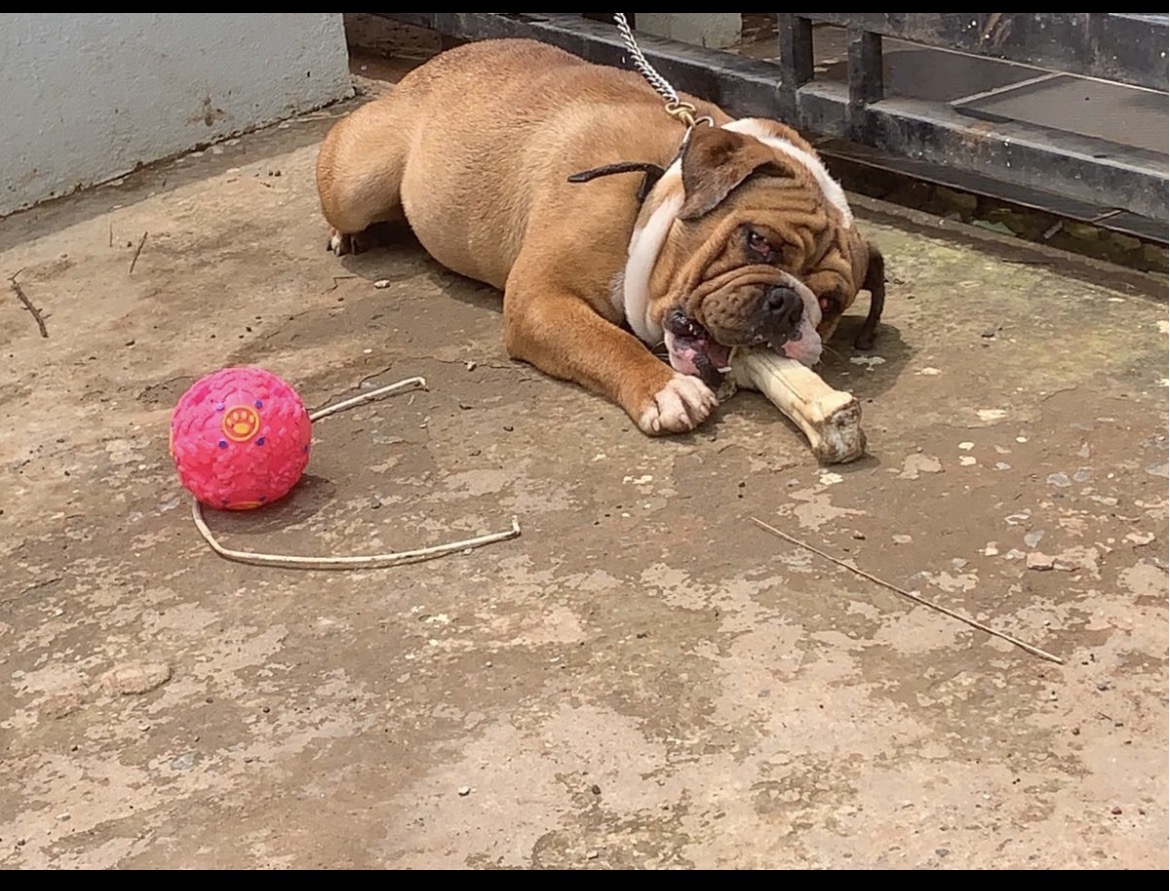
A stocky British breed with a short muzzle. Prioritise functional breathing, healthy skin and comfortable movement.
Read breed guideLook beyond the photo. Compare everyday care, understand their needs and find a good fit for your home.
Type a breed name to find it quickly. Compare two breeds of the same pet type.
Start with the everyday details that make a difference.
01A stocky British breed with a short muzzle. Prioritise functional breathing, healthy skin and comfortable movement.
Read breed guideA small white companion with a curly coat. A tidy appearance usually reflects regular brushing and professional grooming.
Read breed guide| The everyday details | Bulldog | Bichon Frise |
|---|---|---|
| Background | Companion background | Companion background |
| Coat | Short coat / check variety | Curly, wavy or variable coat |
| Home life | Companion dogs still need an ordinary routine that includes rest, activity and time with people. Work out who is available during the day and where the dog can settle without interruption. Introduce visitors gently and supervise children around food, toys and beds. | Companion dogs still need an ordinary routine that includes rest, activity and time with people. Work out who is available during the day and where the dog can settle without interruption. Introduce visitors gently and supervise children around food, toys and beds. |
| Exercise & activity | Build a routine around comfortable walks, sniffing and short play sessions. A companion label does not mean every individual has the same energy, and body shape can affect what feels comfortable. Watch how the dog moves and recovers after activity. | Build a routine around comfortable walks, sniffing and short play sessions. A companion label does not mean every individual has the same energy, and body shape can affect what feels comfortable. Watch how the dog moves and recovers after activity. |
| Training | Teach the useful small things first: responding to a name, settling on a mat, toilet routines and accepting gentle handling. Keep sessions brief and reward what you want to see again. Introduce time alone in small steps so close companionship does not become distress whenever you leave the room. | Teach the useful small things first: responding to a name, settling on a mat, toilet routines and accepting gentle handling. Keep sessions brief and reward what you want to see again. Introduce time alone in small steps so close companionship does not become distress whenever you leave the room. |
| Grooming | A short coat makes it easier to see the dog's outline, but it does not remove grooming. Use a suitable brush, check the skin and introduce gentle nail, ear and dental care. Some breeds listed here also have other coat varieties, so confirm the puppy's actual type. | A curly or wavy coat can trap loose hair and develop tangles close to the skin. Ask a groomer to demonstrate brushing and combing rather than guessing from the outer appearance. Budget for regular maintenance and introduce handling around the face, paws and ears gently. |
| Health & records | Ask the owner for dated vaccination and worming records, the dog's veterinary history and details of any ongoing treatment. For a puppy, ask which breed-relevant checks were performed on both parents and request the actual results. In a cross, both family backgrounds matter. | Ask the owner for dated vaccination and worming records, the dog's veterinary history and details of any ongoing treatment. For a puppy, ask which breed-relevant checks were performed on both parents and request the actual results. In a cross, both family backgrounds matter. |
Meet the pet, talk through a normal day with its owner and ask to see its care records. Personality and past experiences matter alongside breed.