
 01
Dogs
31 pets listedView pets Beagle
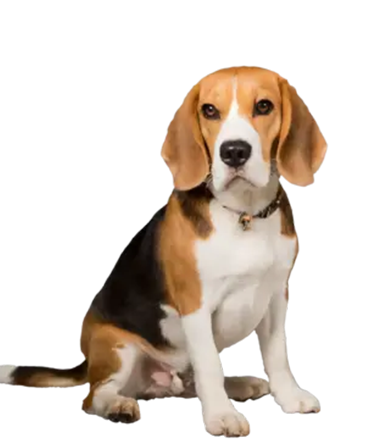
A British scent hound developed for pack hunting. An interesting smell can outweigh recall, making boundaries and food management useful priorities.
Read breed guideLook beyond the photo. Compare everyday care, understand their needs and find a good fit for your home.
Type a breed name to find it quickly. Compare two breeds of the same pet type.
Start with the everyday details that make a difference.
01A British scent hound developed for pack hunting. An interesting smell can outweigh recall, making boundaries and food management useful priorities.
Read breed guide 02
A retrieving breed in recognised size varieties. Confirm the variety and plan consistent grooming and learning opportunities.
Read breed guide| The everyday details | Beagle | Poodle |
|---|---|---|
| Background | Scent / hunting background | Sporting / working background |
| Coat | Short coat / check variety | Curly, wavy or variable coat |
| Home life | Check gates, food storage and the way the dog responds when an interesting smell appears. A scent-working background can make investigation deeply rewarding, even when your plans are different. Provide permitted searching activities and keep the home environment secure. | A sporting background can bring enthusiasm for carrying, searching or following outdoor interests. Keep household objects out of reach while teaching the dog what it may pick up. Give it a comfortable resting area and practise calm greetings, especially around young children. |
| Exercise & activity | Let some walks be about sniffing rather than distance alone. Supervised scent games can offer useful mental work without relying on constant speed. Practise recall in a secure environment and use appropriate equipment outdoors instead of assuming affection will override a tempting trail. | Offer more than a quick trip around the block when the individual is ready for it. Sniffing walks, supervised retrieving and training games can make activity purposeful. Water access needs supervision and suitable conditions; an association with retrieving does not establish that every puppy can swim safely. |
| Training | Make returning to you rewarding and practise before distractions become overwhelming. Work on leaving food, waiting at doors and settling after activity. Avoid interpreting a dog absorbed in scent as deliberately difficult; reduce the challenge and build the skill gradually. | Use the dog's interests to reward useful skills, including returning to you, exchanging objects and waiting calmly. Keep retrieving games structured instead of making every outing an uncontrolled chase. Practise attention around outdoor distractions in manageable stages. |
| Grooming | A short coat makes it easier to see the dog's outline, but it does not remove grooming. Use a suitable brush, check the skin and introduce gentle nail, ear and dental care. Some breeds listed here also have other coat varieties, so confirm the puppy's actual type. | A curly or wavy coat can trap loose hair and develop tangles close to the skin. Ask a groomer to demonstrate brushing and combing rather than guessing from the outer appearance. Budget for regular maintenance and introduce handling around the face, paws and ears gently. |
| Health & records | Ask the owner for dated vaccination and worming records, the dog's veterinary history and details of any ongoing treatment. For a puppy, ask which breed-relevant checks were performed on both parents and request the actual results. In a cross, both family backgrounds matter. | Ask the owner for dated vaccination and worming records, the dog's veterinary history and details of any ongoing treatment. For a puppy, ask which breed-relevant checks were performed on both parents and request the actual results. In a cross, both family backgrounds matter. |
Meet the pet, talk through a normal day with its owner and ask to see its care records. Personality and past experiences matter alongside breed.