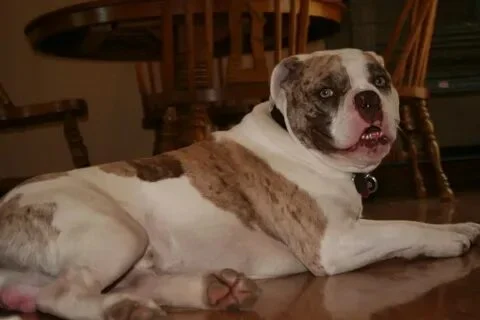
The Alapaha Blue Blood Bulldog is a muscular, short-coated dog associated with farm and guardian work in the United States. Its broad head and confident appearance can be striking, but the everyday commitment matters more: thoughtful introductions, reliable handling and a calm, consistent routine.
Alapaha Blue Blood Bulldog and American Bulldog: breed characteristics and daily care
The everyday details
Alapaha Blue Blood Bulldog
American Bulldog
Background
Farm & guardian work
Working / guardian background
Coat
Short, close coat
Short coat / check variety
Adult height
51–64 cm
Not specified in this guide
Adult weight
23–41 kg
Not specified in this guide
Home life
Prepare a secure home with a quiet resting place and clear rules for everyone who handles the dog. Think through ordinary situations before collection: opening the gate, welcoming a delivery, having friends over and separating animals at mealtimes. Teach the dog where to settle and introduce visitors calmly.
Plan how visitors enter, where the dog rests and how it can be separated comfortably when necessary. A guardian background makes calm, well-managed introductions especially important. Secure boundaries and reliable handling should be everyday habits rather than emergency measures.
Exercise & activity
Build a routine that combines suitable walks, sniffing, short training sessions and time to rest. A garden offers useful space, but does not replace interaction or learning to walk comfortably on a lead.
Build fitness with suitable walks and purposeful, age-appropriate activity. A substantial frame does not mean a puppy should pull heavy loads or perform strenuous jumping. Think through lead handling, transport and access to safe exercise as the dog grows.
Training
Start with useful skills: responding to a name, waiting at doors, walking on a loose lead, settling and accepting gentle handling. Use rewards and clear, repeatable cues. Brief sessions that end successfully are more useful than long confrontations.
Start with calm lead walking, waiting at doors, settling and cooperative handling. Reward measured behaviour around people and build positive experiences without forcing close greetings. Everyone responsible for the dog should use the same practical rules.
Grooming
A short coat still needs regular brushing, skin checks and gentle handling. Introduce a suitable soft brush and ask the current owner about shedding, skin sensitivity and the products already used. Check paws after outings and dry the dog comfortably after washing.
A short coat makes it easier to see the dog's outline, but it does not remove grooming. Use a suitable brush, check the skin and introduce gentle nail, ear and dental care. Some breeds listed here also have other coat varieties, so confirm the puppy's actual type.
Health & records
Request dated vaccination and worming records, the dog's veterinary history and details of any treatment. For a puppy, ask which health evaluations were carried out on both parents and request the actual results. Discuss their relevance with an independent vet.
Ask the owner for dated vaccination and worming records, the dog's veterinary history and details of any ongoing treatment. For a puppy, ask which breed-relevant checks were performed on both parents and request the actual results. In a cross, both family backgrounds matter.
Alapaha Blue Blood Bulldog: Published height and weight ranges are broad adult guides. Sex, ancestry and the individual dog affect size; confirm the parents’ measurements with the breeder.
The best match is the pet you get to know.
Meet the pet, talk through a normal day with its owner and ask to see its care records. Personality and past experiences matter alongside breed.

 01