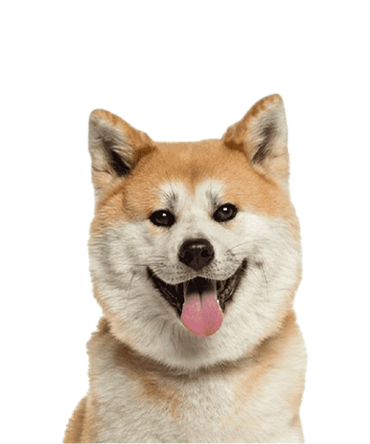
An Akita is a substantial dog with a thick double coat, upright ears and a curled tail. Behind that striking appearance is a companion that tends to form a close bond with its family while staying reserved around unfamiliar people. This is a breed to understand before you fall for a puppy photo.
Akita and American Akita: breed characteristics and daily care
The everyday details
Akita
American Akita
Background
Working
Working / guardian background
Coat
Thick double coat
Dense / double coat
Adult height
61–71 cm
Not specified in this guide
Adult weight
32–59 kg
Not specified in this guide
Life expectancy
10–14 years
Not specified in this guide
Home life
Akitas are often affectionate with the people they know, but they do not necessarily welcome every visitor or unfamiliar dog. Their size and independent nature make consistent, reward-based training a daily responsibility. Teach comfortable lead walking, settling and calm greetings early.
Plan how visitors enter, where the dog rests and how it can be separated comfortably when necessary. A guardian background makes calm, well-managed introductions especially important. Secure boundaries and reliable handling should be everyday habits rather than emergency measures.
Exercise & activity
Plan for daily walks, sniffing time and mental activities as well as rest. A secure outdoor space can help, but it does not replace time together.
Build fitness with suitable walks and purposeful, age-appropriate activity. A substantial frame does not mean a puppy should pull heavy loads or perform strenuous jumping. Think through lead handling, transport and access to safe exercise as the dog grows.
Training
Read the breed guide and ask the owner about the individual pet’s routine.
Start with calm lead walking, waiting at doors, settling and cooperative handling. Reward measured behaviour around people and build positive experiences without forcing close greetings. Everyone responsible for the dog should use the same practical rules.
Grooming
Brush the double coat regularly, with more frequent sessions during heavy seasonal shedding. Expect loose hair around the home, even with a good grooming routine. Introduce brushing gently while the dog is young so handling becomes familiar rather than something to resist.
A dense coat needs regular brushing and careful checks close to the skin. Shedding can change with season, health and the individual, so ask the owner what they actually experience. Introduce suitable tools gradually and seek help if tangles or compacted undercoat are difficult to remove comfortably.
Health & records
Ask for dated vaccination and worming records, the puppy's veterinary history and details of its parents. The American Kennel Club lists hip, eye and thyroid evaluations among the recommended health checks for Akitas.
Ask the owner for dated vaccination and worming records, the dog's veterinary history and details of any ongoing treatment. For a puppy, ask which breed-relevant checks were performed on both parents and request the actual results. In a cross, both family backgrounds matter.
Akita: Size ranges cover adult male and female American Akitas. Japanese Akitas have a separate breed standard.
The best match is the pet you get to know.
Meet the pet, talk through a normal day with its owner and ask to see its care records. Personality and past experiences matter alongside breed.

 01