
Yorkshire Terrier
Yorkshire Terrier
Silvassa, Dadra and Nagar Haveli and Daman and Diu
Contact for price
A small English terrier with a fine long coat. Regular brushing and consistent training matter whether the coat is long or clipped.
Choosing the Yorkshire Terrier is easier when you picture a normal week together. Consider who is at home, how you enjoy spending time outdoors and the care you can maintain over the years. Use this guide to prepare useful questions, then spend time getting to know the individual dog.
There are currently no active Yorkshire Terrier ads with a stated asking price on PetBuy. We show a price range only when current ads provide one. Contact an ad owner for an individual quote.
Age, location, documented background and the owner's circumstances can affect the asking price. Include food, veterinary care, training and everyday equipment when planning your budget.
Plan several manageable opportunities to walk, sniff and play rather than assuming a small dog needs no exercise. Choose secure equipment that fits properly and introduce new places gradually. Long outings, rough play with larger dogs and repeated jumping may be inappropriate for a young or fragile individual. Ask the owner what the dog comfortably does now, then adapt activity to age, fitness and the advice of your vet.
Part the coat and check gently near the skin instead of brushing only the surface. Areas behind ears, around legs and where equipment rubs can need particular attention. Introduce short, comfortable grooming sessions and ask a groomer which tools suit the individual coat. A shorter practical trim may simplify upkeep, but it does not replace routine brushing, skin checks and nail care. Ask what a realistic grooming schedule and local professional appointments will cost before committing to a long-coated dog.
A small dog needs a place in ordinary family life, with safe resting spots and predictable handling. Teach children to let the dog approach instead of picking it up unexpectedly. Check gaps in gates and balconies before the first day. A quiet corner gives the dog somewhere to withdraw when visitors arrive, and a consistent routine helps it understand when play, food and rest usually happen.
Work on recall, settling, toilet routines and comfortable handling from the beginning. A small dog benefits from the same clear, kind rules as a large one. Reward calm greetings instead of repeatedly lifting it away from anything unfamiliar. Practise brief, manageable periods apart while you are nearby, building confidence gradually rather than waiting until the first full day you need to leave home.
Ask the owner for dated vaccination and worming records, the dog's veterinary history and details of any ongoing treatment. For a puppy, ask which breed-relevant checks were performed on both parents and request the actual results. In a cross, both family backgrounds matter. Take records to an independent vet who can explain their relevance and limits. A registration paper confirms what that registry records; it is not a guarantee of health. Budget for regular care and ask where you would go for urgent veterinary help.
Start with a conversation about age, background and the reason for sale or rehoming. Ask for recent photos and arrange a visit where the dog normally lives. Notice how it moves, rests and interacts, without expecting one short meeting to reveal everything. If distance makes a visit difficult, an initial live video conversation can help you decide whether to travel. Confirm the ad owner's details, what the asking price includes and any written terms. Take time to investigate answers that are unclear before paying a deposit.
Ask which food, equipment, cues and daily schedule the dog already knows. Set up a quiet resting place, secure the home and agree on family rules before arrival. Keep early days predictable instead of arranging a busy round of introductions. Give the dog time to become comfortable, introduce visitors gradually and supervise interactions with children and animals. Arrange a veterinary appointment and discuss any change in appetite, movement or behaviour that concerns you. If training becomes difficult, seek qualified help early rather than waiting for a pattern to become established.
Compare more than the advertised purchase price. Food, suitable equipment, grooming, veterinary appointments, training and care when you travel all belong in the budget. Adult size and coat upkeep can change those costs considerably. Ask local providers for realistic prices and allow for unplanned treatment. For an adult dog, clarify existing medical needs and any insurance or treatment limitations. Choose a commitment you can sustain through changes in routine, rather than one based only on what a puppy costs today.
Yorkshire Terrier
Silvassa, Dadra and Nagar Haveli and Daman and Diu
Contact for price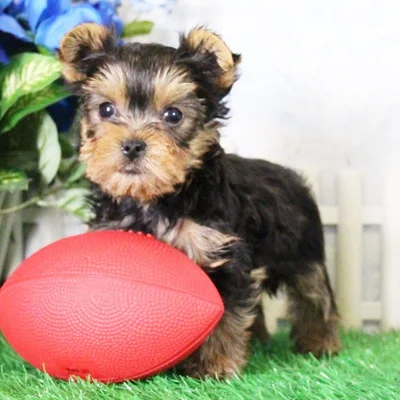






Start with its background, the care described above and the individual dog's history. Ask about children, other pets, activity and time alone in the home it knows. A breed description cannot replace meeting the dog or an honest conversation about the routine you can offer.
Ask to meet the puppy and its mother where possible, review both parents' relevant health-screening results and discuss how the litter has been raised. Confirm age, veterinary records, food, collection arrangements and written terms. Do not let urgency replace those checks.
There is no single price for every dog in a category. Age, location, documented background and the owner's circumstances can affect the asking price. Use current listings for specific prices and contact each ad owner to confirm details. Include ongoing care when comparing options.